进口押汇是什么意思?英文怎么翻好?
被浏览
76


进口押汇一般译为“Import Bill Advance”。进出口双方签订买卖合同之后,进口方请求进口地某个银行(一般为自己的往来银行)向出口方开立保证付款文件,大多数为信用证。然后,开证行将此文件寄送给出口商,出口商见证后,将货物发送给进口商。商业银行为进口商开立信用保证文件的这一过程,称为进口押汇。其英文释义如下:Import bill advance is a special financing tool, simply used to fulfill the foreign payment duty under special trade terms; 6. Generally, term of import bill advance matches with the reselling period of the imported commodity, with the sales income as the main source of repayment.
因为进口商通过信用保证文件的开立,可以延长付款期限,不必在出口商发货之前支付货款,即使在出口商发货后,也要等到单据到达自己手中才履行付款义务。这样,进口商减少了资金占用的时间。同时,出口商愿意接受这种延长付款期限,是以开证行保证到期付款为条件的。因此,进口押汇是开证行为进口商提供的一种资金融通。
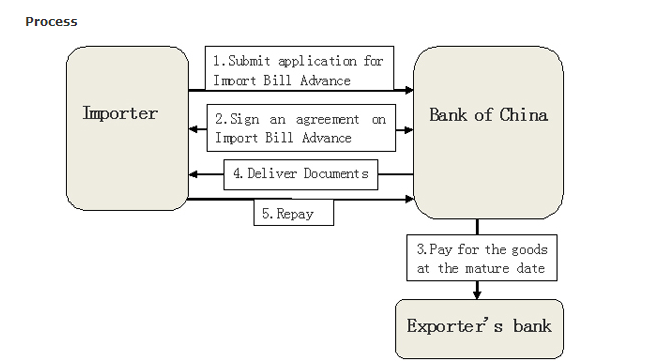
以下为中国银行的进口押汇流程:
1. 进口商提交进口押汇的申请
2. 进口商与中国银行双方就进口押汇签订协议
3. 中国银行于到期日就货物向出口商银行付款。
4. 交付单据。
5. 进口商向中国银行还款。
以下为相关双语示例,供题主参考:
“贸易融资”包括但不限于国际、国内信用证、进口押汇、提货担保、进口代收押汇、打包放款、出口押汇、出口议付、出口托收押汇、进/出口汇款融资、信保融资、保理、票据保付等业务品种。
"Trade financing" includes, without limitation, foreign/domestic letters of credit, import bill advance, delivery guarantee, import collection bill advance, package lending, export bill advance, export negotiation, export collection bill advance, import/export remittance financing, credit insurance financing, factoring, guarantee of bills and other business types.